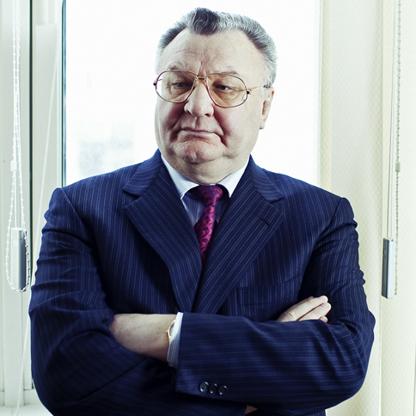
Megdet Rahimkulov: From Richest in Hungary to Global Investment Strategist
Megdet Rahimkulov stands as a titan in the world of finance and energy, a Russian-born entrepreneur whose strategic vision propelled him from the corridors of the Soviet gas industry to becoming one of Hungary's wealthiest individuals, and ultimately, a formidable global investor. His remarkable journey, marked by astute timing and calculated risks, has resulted in an impressive portfolio and an estimated `megdet rahimkulov net worth` in the billions. This article delves into the career, investment philosophy, and lasting legacy of a man who masterfully navigated the complexities of post-Soviet economics and international markets.
The Genesis of a Billionaire: Early Life and Russian Energy Roots
Born Megdet Nigmatovich Rahimkulov on October 16, 1945, in Moscow, Soviet Union, his early life was shaped by a burgeoning nation and a family with Tatar roots. Rahimkulov's foundational education at the State University of Management, from which he graduated in 1971, provided him with the academic grounding necessary for his future endeavors. His career trajectory began modestly but strategically within the USSR Ministry of the Gas Industry, a sector that would define much of his professional life.
This initial experience at the Ministry was more than just a job; it was an immersive education in the intricate workings of a vital national industry. He honed his understanding of energy infrastructure, logistics, and the vast potential held within Russia's natural gas reserves. His ascent through the ranks saw him become deputy head of Soyuzgazavtomatika, a Mingazprom enterprise, further solidifying his technical and managerial expertise.
A pivotal role emerged between 1989 and 1992, when Rahimkulov served as the general director of Gazexport. This period was transformative for Russia, marked by the dissolution of the Soviet Union and the dawn of new economic realities. As general director, he was at the forefront of international gas trade, gaining invaluable experience in global energy markets and cross-border business dealings – skills that would soon be put to the test on an international stage. This early exposure to high-stakes negotiations and strategic partnerships laid the groundwork for his later successes, particularly in Hungary.
A Strategic Leap: Dominating Hungarian Energy and Finance
Rahimkulov's move into the Hungarian market marked a significant turning point, showcasing his ability to identify and capitalize on opportunities in emerging economies. In the mid-1990s, he became the chief executive and a 10% owner of Panrusgaz, a crucial joint venture between Russia's gas giant Gazprom and Hungary's national oil and gas company, MOL. This venture was instrumental in bridging Russian energy supply with Hungarian demand, positioning Rahimkulov as a central figure in regional energy geopolitics. His 10% ownership stake not only underscored his influence but also served as an early indicator of his strategic focus on equity ownership in key national assets.
His vision, however, was not confined to energy. Recognizing the interdependence of energy and finance, Rahimkulov strategically ventured into Hungary's banking sector. He took the helm of Általános Értékforgalmi Bank (AEB), a Hungarian bank initially acquired by Gazprom to facilitate local payments. Under his leadership, AEB not only thrived but became a testament to his business acumen. In a bold and prescient move, Rahimkulov later acquired AEB from Gazprom outright, demonstrating his confidence in the bank's potential and his independent strategic foresight.
The ultimate display of his financial dexterity came in 2007 when he sold AEB. The proceeds from this sale were not simply banked but reinvested strategically into two of Hungary’s most significant economic pillars: MOL and OTP Bank, Hungary’s largest financial institution. This move consolidated his influence within the Hungarian economy, establishing him as a major shareholder in companies critical to the nation's energy and financial stability. His investments also extended to Russian powerhouses like Gazprom and VTB, illustrating a diversified, yet strategically focused, investment philosophy.
Before his return to Russia in 2008, Rahimkulov was widely recognized as the wealthiest individual in Hungary. This status was not merely a testament to his wealth but to his profound impact on the nation's economic landscape, shaping the narrative of a Russian entrepreneur becoming a key player in a European market. For more insights into his strategic moves, consider reading
Megdet Rahimkulov: Billionaire's Strategy in Energy & Banking.
Unpacking Megdet Rahimkulov's Net Worth and Investment Philosophy
The question of `megdet rahimkulov net worth` has long been a subject of interest, reflecting the scale of his success. Forbes estimated his net worth at $1.28 billion in May 2016, a figure that solidified his position among the world's billionaires. More recently, in 2022, estimates placed his fortune at approximately $1.1 billion. These figures primarily stem from his substantial and strategic investments in critical sectors, particularly energy and banking.
Rahimkulov's investment philosophy can be characterized by several key principles:
- Strategic Sector Focus: His primary investments have consistently been in industries fundamental to national economies – energy and finance. These sectors offer stability, essential services, and often, significant barriers to entry, making long-term holdings particularly valuable.
- Long-Term Vision: Unlike short-term traders, Rahimkulov's moves, such as acquiring then selling AEB to reinvest in MOL and OTP, demonstrate a long-term perspective focused on asset growth and strategic influence rather than quick profits.
- Diversification within Core Competencies: While concentrated in energy and banking, his portfolio is diversified across different entities within these sectors and across different geographies (Hungary, Russia). This minimizes risk while maximizing exposure to areas of his expertise.
- Leveraging Early Opportunities: His ability to identify and capitalize on privatization and emerging market opportunities in post-Soviet Hungary was crucial to his initial wealth accumulation.
Despite his vast fortune, Rahimkulov is known for a relatively modest lifestyle. He reportedly stated, "I don’t have expensive real estate, yachts, or planes," a sentiment that contrasts sharply with the public image of many billionaires. This discretion extends to his philanthropic activities, which, while contributing to economic development, are not widely publicized.
His legacy also lives on through his family. Megdet Rahimkulov is married and has three sons: Timur, Ruslan, and another whose name is less publicized. His sons, Timur and Ruslan, hold Hungarian citizenship and have actively continued the family's business legacy. They manage significant assets through Kafijat Zrt., an asset management company, which holds substantial shares in OTP Bank and MOL Group. This generational continuity ensures that the strategic investments and influence established by Megdet Rahimkulov continue to evolve. His assets are also managed through a holding company based in Cyprus, a common practice for international investors seeking efficient asset management structures.
The Legacy and Future of a Discreet Billionaire
Megdet Rahimkulov's impact transcends mere financial figures. His career effectively bridged Russian and Hungarian business interests at a critical juncture in European history, contributing to economic development and fostering cross-border commercial ties. His ability to navigate complex political and economic landscapes, from Soviet ministries to international energy and banking mergers, underscores a rare combination of political savvy and acute business acumen.
The enduring nature of his investments, particularly in MOL and OTP Bank, speaks volumes about his foresight. These companies are not merely holdings; they are integral parts of Hungary's economic fabric. His decision to empower his sons with Hungarian citizenship and involve them directly in managing these assets through Kafijat Zrt. ensures that his influence and strategic vision have a lasting presence. This thoughtful approach to succession planning is a hallmark of truly visionary entrepreneurs.
Rahimkulov's story offers valuable lessons for aspiring investors and entrepreneurs. It highlights the importance of deep industry knowledge, strategic patience, and the courage to make bold moves when opportunities arise. His focus on core, essential industries, combined with a willingness to divest and reinvest strategically, demonstrates a blueprint for sustained wealth creation and economic influence. To understand the broader context of his wealth and its implications, you might find
Megdet Rahimkulov: Billion-Dollar Net Worth & Hungarian Legacy insightful.
Conclusion
Megdet Rahimkulov's journey from a Moscow-born gas industry professional to a key global investor, with a `megdet rahimkulov net worth` in the billions, is a testament to strategic brilliance and unwavering determination. His pivotal roles in shaping energy and banking sectors in both Russia and Hungary illustrate a rare capacity to identify undervalued assets and steer them towards immense profitability. While known for his discretion, his indelible mark on the economies he touched, coupled with the continued legacy through his family, firmly establishes him as one of the most significant, albeit understated, financial figures of his generation. His story remains a compelling example of how strategic investment, coupled with an understanding of both local and global dynamics, can lead to monumental success.